Buy najzena1.eu ?
We are moving the project
najzena1.eu .
Are you interested in purchasing the domain
najzena1.eu ?
domain@kv-gmbh.de · 0541-91531010
Buy najzena1.eu ?
Did the dog eat the baby penguin? Need help understanding.
No, the dog did not eat the baby penguin. It is important to understand that dogs and penguins are not typically in the same environment, so it is unlikely for a dog to have access to a baby penguin. Additionally, dogs are domesticated animals and are not natural predators of penguins. If there are specific details or context that need to be clarified, please provide more information for a more accurate response. **
Would a polar bear eat a penguin if it encountered one?
No, a polar bear would not eat a penguin if it encountered one. Polar bears are found in the Arctic region, while penguins are found in the Antarctic region. These two species do not coexist in the wild, so there is no opportunity for a polar bear to encounter a penguin in its natural habitat. Additionally, polar bears are primarily carnivorous and feed on seals and other marine mammals, while penguins are not part of their diet. **


Similar search terms for Penguin-Life-Eat-Yourself
Top-Angebote
Products related to Penguin-Life-Eat-Yourself:
-
PENGUIN The 4 Pillar Plan: How to Relax, Eat, Move and Sleep Your Way to a Longer, Healthier Life by Dr Rangan ChatterjeeEveryone has the opportunity to live and feel better and in his Sunday Times bestselling book, The 4 Pillar Plan, BBC One's Dr Rangan Chatterjee creates an easily accessible plan for taking control of your health and your life. Dr Chatterjee believes that everyday health revolves around the following four pillars: relaxation, food, movement and sleep. By making small, achievable changes in each of these key areas you can create and maintain good health - and avoid illness. Top tips in each area include: * an electronic 'sabbath' once a week * 12 hours every day without food * exposure to sunlight first thing each morning * walking at least 10,000 steps a dayBased on cutting edge research and his own two decades' worth of experience as a doctor, this book contains fascinating case studies from real patients and is an inspiring and easy-to-follow guide to better health and happiness.12,99 £*Shipping: 2,99 £Secure redirect to the provider
-
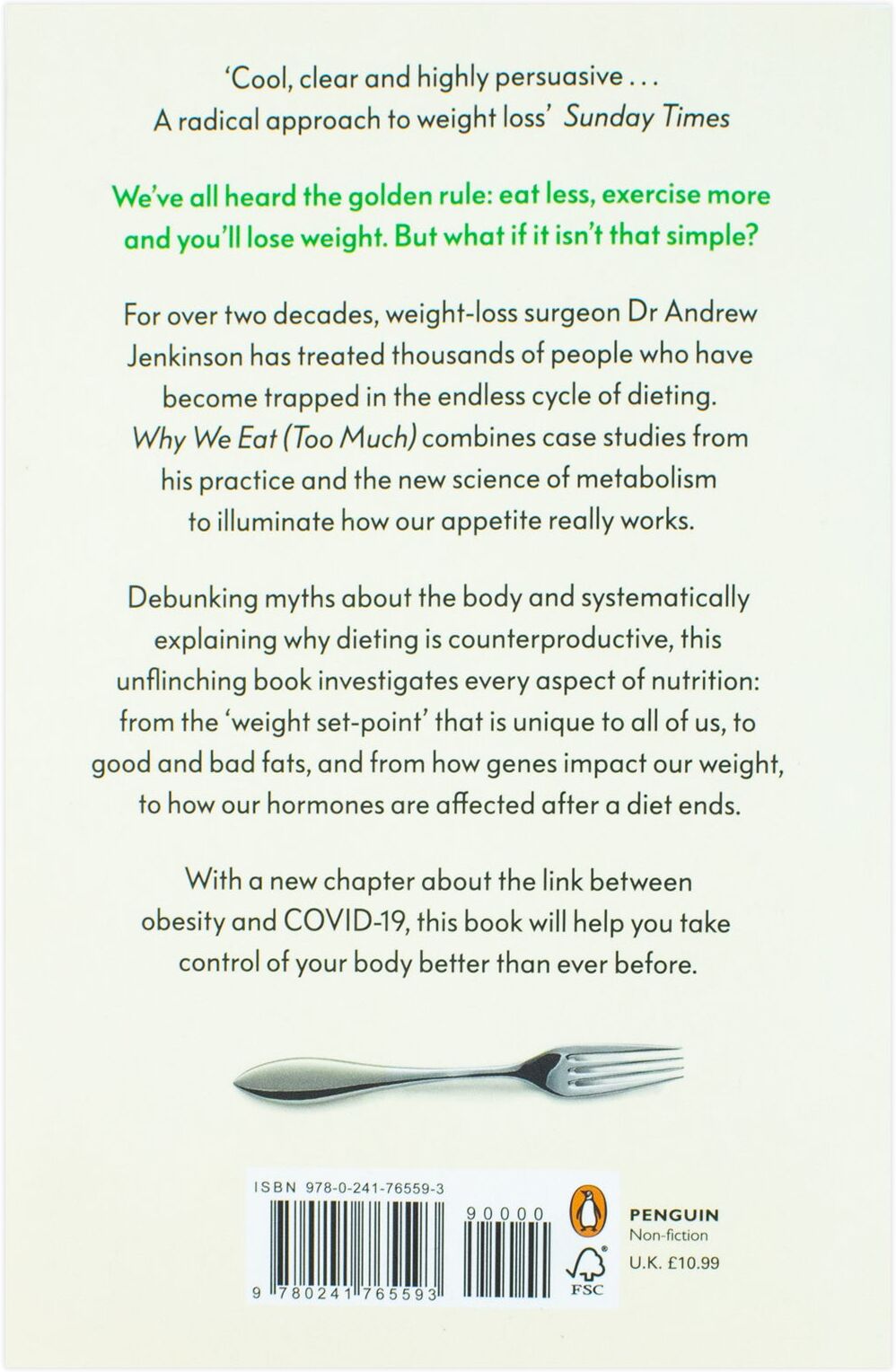
Penguin Why We Eat (Too Much) and Metabolical 2 Books Collection SetWhy We Eat (Too Much) by Dr Andrew Jenkinson We've all heard the golden rule: eat less, exercise more and you'll lose weight. But what if it isn't that simple? For over two decades, weight loss surgeon Dr Andrew Jenkinson has treated thousands of people who have become trapped in the endless cycle of dieting. Why We Eat (Too Much), combines case studies from his practice and the new science of metabolism to illuminate how our appetite really works. Debunking myths of about body and systematically explaining why dieting is counter-productive, this unflinching book investigates every aspect of nutrition: from the 'set weight point' that is unique to all of us, to good and bad fats, and from how genes impact our weight to how our hormones are affected after a diet ends. Metabolical by Dr Robert Lustig Did you know that 62% of the food in our supermarkets is not only processed but 'ultra-processed' (ingredients from other foods are combined to make something 'new', often in colours that do not exist in nature) and that data shows that by eating this kind of food over time we are literally slowly poisoning ourselves? In the hard-hitting, ground-breaking tradition of his NY Times bestseller FAT CHANCE, which revealed the dangers of sugar, Dr Robert Lustig persuasively presents a stark exposé of how our addiction to processed foods (aided and abetted by the food industry, big ag, big pharma, institutional medicine and the government) is behind the lethal increase in major non-communicable diseases, including diabetes, heart disease, fatty liver disease, cancer and dementia. We have come to accept that these chronic diseases are simply part of the 'natural ageing process', but Dr Lustig makes the case that this is simply not true.12,90 £*Shipping: 2,99 £Secure redirect to the provider
-
Why We Eat & How To Eat by Dr Andrew Jenkinson 2 Books Collection Set - Non Fiction - Paperback Penguin Random HouseTitles in this Set: 1. Why We Eat 2. How to Eat Description: Why We Eat We've all heard the golden rule: eat less, exercise more and you'll lose weight. But what if it isn't that simple? For over two decades, weight loss surgeon Dr Andrew Jenkinson has treated thousands of people who have become trapped in the endless cycle of dieting. Why We Eat (Too Much), combines case studies from his practice and the new science of metabolism to illuminate how our appetite really works. Debunking myths of about body and systematically explaining why dieting is counter-productive, this unflinching book investigates every aspect of nutrition: from the 'set weight point' that is unique to all of us, to good and bad fats, and from how genes impact our weight to how our hormones are affected after a diet ends. With a new chapter about the link between obesity and COVID-19, this incredible book will help you understand your body better than ever before. How To Eat ‘One of Britain’s top weight-loss experts’ This Morning For years we’ve been told that successful weight loss is a simple matter of willpower and calorie control. But this argument fails to take into account how our brains and bodies respond to food – in particular, to the ultra-processed foods that seem inescapable in modern life. Bariatric surgeon and Sunday Times bestselling author Dr Andrew Jenkinson gives us a game-changing blueprint to free us from our biological impulses. Even though our brains are hardwired to seek out quick rewards in salty and sugary foods, he demonstrates how to escape our default behaviours to create long-lasting change. With cutting edge metabolic science, mental reprogramming strategies, easy lifestyle changes and even delicious recipes, maintaining a healthy weight never felt so good.12,99 £*Shipping: 2,99 £Secure redirect to the provider
-
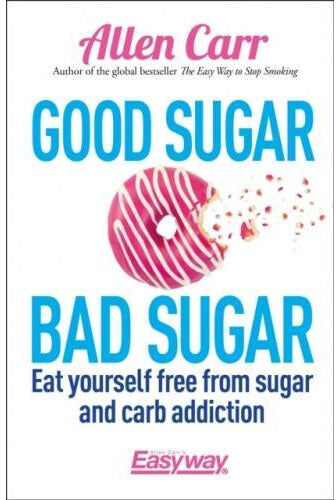
Arcturus Publishing Good Sugar Bad Sugar - Eat Yourself Free From Sugar And Carb Addiction by Allen CarrREAD GOOD SUGAR BAD SUGAR AND BE THE WEIGHT YOU WANT TO BE FOR THE REST OF YOUR LIFE. Good Sugar Bad Sugar tackles the biggest dietary threat to the modern world: The addiction to refined sugar and processed carbohydrates, which is causing epidemics in obesity and Type 2 diabetes on a global scale. Sugar and carb consumption is an addiction that begins at birth, but once you free yourself with Easyway, you'll enjoy better health, higher levels of energy, dramatically improved body shape, and a happier, healthier lifestyle. Allen Carr has helped millions worldwide and he can do the same for you. His books have sold over 15 million copies worldwide, and read by an estimated 40 million people, while countless more have been helped through his network of clinics. Allen Carr's Easyway has spread all over the world for one reason alone: BECAUSE IT WORKS. • A UNIQUE METHOD THAT DOES NOT REQUIRE WILLPOWER• REMOVES ADDICTION TO REFINED SUGAR AND PROCESSED CARBOHYDRATES• STOP EASILY, IMMEDIATELY AND PAINLESSLY• REGAIN CONTROL OF YOUR LIFE5,95 £*Shipping: 2,99 £Secure redirect to the provider


-
What happens if you eat yourself?
Eating oneself is not physically possible as the human body cannot consume its own flesh. However, if hypothetically one were able to eat oneself, it would result in severe injury, pain, and potentially death. The body would not be able to regenerate the consumed tissue, leading to a loss of vital organs and tissues. Overall, attempting to eat oneself would have catastrophic consequences for one's health and well-being. **
-
Can you eat yourself to death?
Yes, it is possible to eat yourself to death through a condition called "binge eating disorder." This disorder involves consuming large amounts of food in a short period of time, leading to serious health complications such as obesity, heart disease, and diabetes. In extreme cases, binge eating can lead to death from complications related to these health issues. It is important to seek help from a medical professional if you or someone you know is struggling with binge eating disorder. **
-
Can you eat hamster food yourself?
While it is technically possible to eat hamster food, it is not recommended for human consumption. Hamster food is specifically formulated to meet the dietary needs of hamsters, and may not provide the necessary nutrients for humans. Additionally, some ingredients in hamster food may not be safe for human consumption. It is best to stick to a balanced diet of human food for your own nutritional needs. **
-
How does penguin meat taste?
Penguin meat is not commonly consumed by humans due to conservation concerns and restrictions in many countries. However, there have been reports from early explorers and indigenous communities that describe penguin meat as being similar to beef or fish, with a slightly gamey flavor. It is said to be lean and rich in protein, but the taste can vary depending on the species of penguin and how it is prepared. **
Is a penguin a pet?
No, a penguin is not a typical pet. Penguins are wild animals that require specific care, habitat, and diet that are difficult to provide in a home setting. They also have specialized needs that are best met in their natural environment or in accredited zoos and aquariums. It is important to respect and protect penguins in their natural habitats rather than trying to keep them as pets. **
Why am I a penguin?
You are not actually a penguin, but perhaps you are asking this question in a playful or metaphorical way. If you feel like a penguin, it could be because you identify with their characteristics such as being social, adaptable, and resilient. Or maybe you just have a love for penguins and find them to be fascinating creatures. In any case, being a penguin can be a fun and lighthearted way to express yourself. **
Top-Angebote
Products related to Penguin-Life-Eat-Yourself:
-
Penguin Life Eat Yourself Healthy by Dr Megan Rossi - Gut Health & Nutrition Guide - Paperback - IBS, Bloating & Digestive Wellness RecipesDiscover the simple guide to a healthier you with Eat Yourself Healthy by Dr Megan Rossi. This accessible book explains how the trillions of microbes in your digestive system influence your energy levels, skin, mood, and immunity. Whether you're battling bloating, IBS, or just want to feel better from the inside out, Dr Rossi's practical advice and delicious gut-boosting recipes will help you take control of your gut health. Drawing on her decade of clinical experience and the latest scientific research, Dr Rossi demystifies the gut microbiome and shows you how to nurture it for long-term wellbeing. This book covers common digestive complaints such as IBS, bloating, and food intolerance, providing you with the knowledge and tools to make informed choices about your diet and lifestyle. Written by Dr Megan Rossi, a leading expert in gut health, Eat Yourself Healthy is a must-read for anyone looking to improve their overall health and wellbeing.14,99 £*Shipping: 2,99 £Secure redirect to the provider
-
Various Publishers Dr Josh Axe 3 Books Collection Set - Eat Dirt, Keto Diet, Ancient Remedies for Modern Life - Paperback Health & Wellness SetThis Dr Josh Axe 3 Books Collection Set brings together three of his bestselling paperback guides — Eat Dirt, Keto Diet, and Ancient Remedies for Modern Life — in one practical health library. Written by a doctor of natural medicine and clinical nutritionist, this trio tackles gut health, ketogenic living, and time-tested natural healing with clear, actionable plans. It's an ideal collection for anyone building a home wellness library or exploring functional medicine. Eat Dirt explores leaky gut syndrome, helping readers identify their gut type among five common patterns and follow customisable plans combining diet, lifestyle tweaks, and targeted supplements to restore digestive balance. Dr Axe explains why controlling gut health is crucial for overall well-being, and provides guidance on how to achieve it. The Keto Diet offers a comprehensive guide to ketogenic living, covering the benefits, how to get started, and how to maintain a healthy diet. Ancient Remedies for Modern Life showcases time-tested natural healing methods, providing readers with a deeper understanding of how to use natural remedies to improve their health.24,99 £*Shipping: 2,99 £Secure redirect to the provider
-
PENGUIN The 4 Pillar Plan: How to Relax, Eat, Move and Sleep Your Way to a Longer, Healthier Life by Dr Rangan ChatterjeeEveryone has the opportunity to live and feel better and in his Sunday Times bestselling book, The 4 Pillar Plan, BBC One's Dr Rangan Chatterjee creates an easily accessible plan for taking control of your health and your life. Dr Chatterjee believes that everyday health revolves around the following four pillars: relaxation, food, movement and sleep. By making small, achievable changes in each of these key areas you can create and maintain good health - and avoid illness. Top tips in each area include: * an electronic 'sabbath' once a week * 12 hours every day without food * exposure to sunlight first thing each morning * walking at least 10,000 steps a dayBased on cutting edge research and his own two decades' worth of experience as a doctor, this book contains fascinating case studies from real patients and is an inspiring and easy-to-follow guide to better health and happiness.12,99 £*Shipping: 2,99 £Secure redirect to the provider
-
Penguin Why We Eat (Too Much) and Metabolical 2 Books Collection SetWhy We Eat (Too Much) by Dr Andrew Jenkinson We've all heard the golden rule: eat less, exercise more and you'll lose weight. But what if it isn't that simple? For over two decades, weight loss surgeon Dr Andrew Jenkinson has treated thousands of people who have become trapped in the endless cycle of dieting. Why We Eat (Too Much), combines case studies from his practice and the new science of metabolism to illuminate how our appetite really works. Debunking myths of about body and systematically explaining why dieting is counter-productive, this unflinching book investigates every aspect of nutrition: from the 'set weight point' that is unique to all of us, to good and bad fats, and from how genes impact our weight to how our hormones are affected after a diet ends. Metabolical by Dr Robert Lustig Did you know that 62% of the food in our supermarkets is not only processed but 'ultra-processed' (ingredients from other foods are combined to make something 'new', often in colours that do not exist in nature) and that data shows that by eating this kind of food over time we are literally slowly poisoning ourselves? In the hard-hitting, ground-breaking tradition of his NY Times bestseller FAT CHANCE, which revealed the dangers of sugar, Dr Robert Lustig persuasively presents a stark exposé of how our addiction to processed foods (aided and abetted by the food industry, big ag, big pharma, institutional medicine and the government) is behind the lethal increase in major non-communicable diseases, including diabetes, heart disease, fatty liver disease, cancer and dementia. We have come to accept that these chronic diseases are simply part of the 'natural ageing process', but Dr Lustig makes the case that this is simply not true.12,90 £*Shipping: 2,99 £Secure redirect to the provider
-
Did the dog eat the baby penguin? Need help understanding.
No, the dog did not eat the baby penguin. It is important to understand that dogs and penguins are not typically in the same environment, so it is unlikely for a dog to have access to a baby penguin. Additionally, dogs are domesticated animals and are not natural predators of penguins. If there are specific details or context that need to be clarified, please provide more information for a more accurate response. **
-
Would a polar bear eat a penguin if it encountered one?
No, a polar bear would not eat a penguin if it encountered one. Polar bears are found in the Arctic region, while penguins are found in the Antarctic region. These two species do not coexist in the wild, so there is no opportunity for a polar bear to encounter a penguin in its natural habitat. Additionally, polar bears are primarily carnivorous and feed on seals and other marine mammals, while penguins are not part of their diet. **
-
What happens if you eat yourself?
Eating oneself is not physically possible as the human body cannot consume its own flesh. However, if hypothetically one were able to eat oneself, it would result in severe injury, pain, and potentially death. The body would not be able to regenerate the consumed tissue, leading to a loss of vital organs and tissues. Overall, attempting to eat oneself would have catastrophic consequences for one's health and well-being. **
-
Can you eat yourself to death?
Yes, it is possible to eat yourself to death through a condition called "binge eating disorder." This disorder involves consuming large amounts of food in a short period of time, leading to serious health complications such as obesity, heart disease, and diabetes. In extreme cases, binge eating can lead to death from complications related to these health issues. It is important to seek help from a medical professional if you or someone you know is struggling with binge eating disorder. **
Similar search terms for Penguin-Life-Eat-Yourself
-
Why We Eat & How To Eat by Dr Andrew Jenkinson 2 Books Collection Set - Non Fiction - Paperback Penguin Random HouseTitles in this Set: 1. Why We Eat 2. How to Eat Description: Why We Eat We've all heard the golden rule: eat less, exercise more and you'll lose weight. But what if it isn't that simple? For over two decades, weight loss surgeon Dr Andrew Jenkinson has treated thousands of people who have become trapped in the endless cycle of dieting. Why We Eat (Too Much), combines case studies from his practice and the new science of metabolism to illuminate how our appetite really works. Debunking myths of about body and systematically explaining why dieting is counter-productive, this unflinching book investigates every aspect of nutrition: from the 'set weight point' that is unique to all of us, to good and bad fats, and from how genes impact our weight to how our hormones are affected after a diet ends. With a new chapter about the link between obesity and COVID-19, this incredible book will help you understand your body better than ever before. How To Eat ‘One of Britain’s top weight-loss experts’ This Morning For years we’ve been told that successful weight loss is a simple matter of willpower and calorie control. But this argument fails to take into account how our brains and bodies respond to food – in particular, to the ultra-processed foods that seem inescapable in modern life. Bariatric surgeon and Sunday Times bestselling author Dr Andrew Jenkinson gives us a game-changing blueprint to free us from our biological impulses. Even though our brains are hardwired to seek out quick rewards in salty and sugary foods, he demonstrates how to escape our default behaviours to create long-lasting change. With cutting edge metabolic science, mental reprogramming strategies, easy lifestyle changes and even delicious recipes, maintaining a healthy weight never felt so good.12,99 £*Shipping: 2,99 £Secure redirect to the provider
-
Arcturus Publishing Good Sugar Bad Sugar - Eat Yourself Free From Sugar And Carb Addiction by Allen CarrREAD GOOD SUGAR BAD SUGAR AND BE THE WEIGHT YOU WANT TO BE FOR THE REST OF YOUR LIFE. Good Sugar Bad Sugar tackles the biggest dietary threat to the modern world: The addiction to refined sugar and processed carbohydrates, which is causing epidemics in obesity and Type 2 diabetes on a global scale. Sugar and carb consumption is an addiction that begins at birth, but once you free yourself with Easyway, you'll enjoy better health, higher levels of energy, dramatically improved body shape, and a happier, healthier lifestyle. Allen Carr has helped millions worldwide and he can do the same for you. His books have sold over 15 million copies worldwide, and read by an estimated 40 million people, while countless more have been helped through his network of clinics. Allen Carr's Easyway has spread all over the world for one reason alone: BECAUSE IT WORKS. • A UNIQUE METHOD THAT DOES NOT REQUIRE WILLPOWER• REMOVES ADDICTION TO REFINED SUGAR AND PROCESSED CARBOHYDRATES• STOP EASILY, IMMEDIATELY AND PAINLESSLY• REGAIN CONTROL OF YOUR LIFE5,95 £*Shipping: 2,99 £Secure redirect to the provider
-
Penguin Life Why We Eat (Too Much): The New Science of Appetite by Dr Andrew Jenkinson - Paperback - Sunday Times Bestseller on Diet, Metabolism & Weight LossWhy We Eat (Too Much) is a thought-provoking exploration of the science behind appetite, metabolism, and weight gain. Written by weight loss surgeon Dr Andrew Jenkinson, this paperback challenges the conventional 'eat less, move more' advice and reveals why traditional dieting often fails. Drawing on decades of clinical experience and cutting-edge research, Jenkinson offers a compelling, evidence-based alternative for anyone who has struggled with their weight or wondered why willpower alone rarely works. For over two decades, Dr Jenkinson has treated thousands of patients trapped in the frustrating cycle of dieting. In this book, he combines real case studies from his practice with the latest science of metabolism to explain how appetite actually works.3,99 £*Shipping: 2,99 £Secure redirect to the provider
-
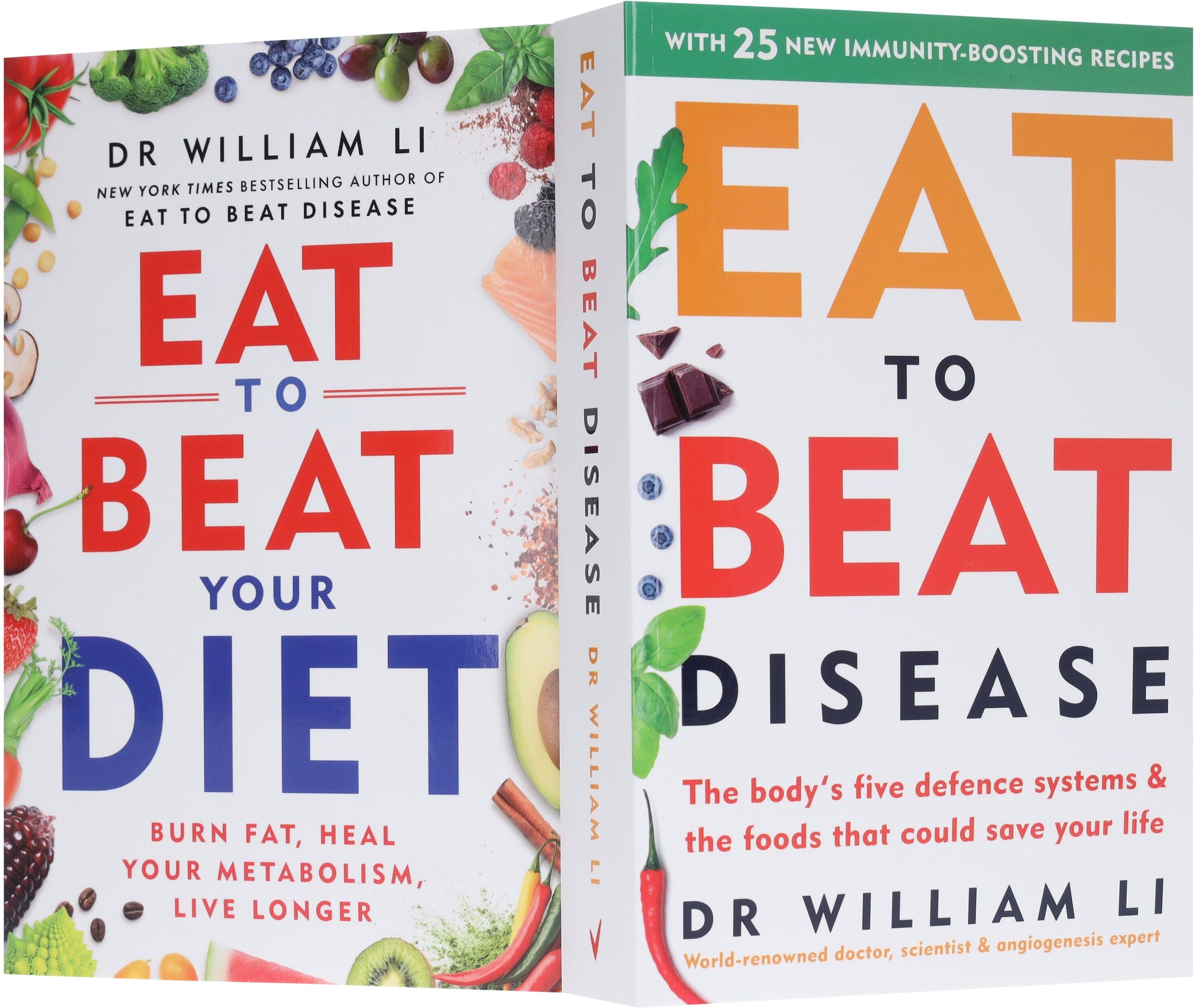
Dr William Li's Eat to Beat Disease & Eat to Beat Your Diet Collection 2 Books Set - Non Fiction - Paperback Penguin Random HouseTitles in this Set: 1. Eat to Beat Disease 2. Eat to Beat Your Diet Description: Eat to Beat Disease: In Eat to Beat Disease, Dr William Li explains that your body was designed to fight threats like these and we have radically underestimated how food can be used to amplify this hidden power. Your body has five natural defence systems that, if functioning well, can protect you: angiogenesis (growing new blood vessels), cell regeneration, the microbiome, DNA protection and immunity. The healthy working of each has been found to be intimately connected to the foods we eat – and the findings are sometimes surprising. Discover:· Why scientists think drinking hot cocoa boosts stem cells crucial for your body's regeneration· The role of cheese and wine in maintaining healthy gut bacteria· Why drinking coffee lowers your risk of dying. Eat to Beat Your Diet: Dr William Li's first book, Eat to Beat Disease, showed us how eating the right foods can reduce the risk of chronic diseases, while also extending our lifespan and improving our overall health. Building on this groundbreaking work, Dr Li now brings us Eat to Beat Your Diet, a revolutionary, science-based approach to weight loss. Eating more of the right foods and adopting a "MediterAsian" diet (combining the best of Mediterranean and Asian diets) can promote fat loss and improve our metabolism in as little as 21 days. Rooted in new science, Eat to Beat Your Diet offers a simple plan providing leading research on how supplements, sleep and exercise can help us defend the body against excess fat.33,99 £*Shipping: 2,99 £Secure redirect to the provider
-
Can you eat hamster food yourself?
While it is technically possible to eat hamster food, it is not recommended for human consumption. Hamster food is specifically formulated to meet the dietary needs of hamsters, and may not provide the necessary nutrients for humans. Additionally, some ingredients in hamster food may not be safe for human consumption. It is best to stick to a balanced diet of human food for your own nutritional needs. **
-
How does penguin meat taste?
Penguin meat is not commonly consumed by humans due to conservation concerns and restrictions in many countries. However, there have been reports from early explorers and indigenous communities that describe penguin meat as being similar to beef or fish, with a slightly gamey flavor. It is said to be lean and rich in protein, but the taste can vary depending on the species of penguin and how it is prepared. **
-
Is a penguin a pet?
No, a penguin is not a typical pet. Penguins are wild animals that require specific care, habitat, and diet that are difficult to provide in a home setting. They also have specialized needs that are best met in their natural environment or in accredited zoos and aquariums. It is important to respect and protect penguins in their natural habitats rather than trying to keep them as pets. **
-
Why am I a penguin?
You are not actually a penguin, but perhaps you are asking this question in a playful or metaphorical way. If you feel like a penguin, it could be because you identify with their characteristics such as being social, adaptable, and resilient. Or maybe you just have a love for penguins and find them to be fascinating creatures. In any case, being a penguin can be a fun and lighthearted way to express yourself. **
* All prices are inclusive of VAT and, if applicable, plus shipping costs. The offer information is based on the details provided by the respective shop and is updated through automated processes. Real-time updates do not occur, so deviations can occur in individual cases. ** Note: Parts of this content were created by AI.